Gilles Peterson has probably been a bigger part of your life than you realise…
There should be a picture of Gilles Peterson right next to the word “pioneer” in the dictionary. The radio host, DJ, producer, record label owner and author has been firmly embedded in the evolving fabric of the music industry for decades, redefining genre, platforming artists, and always championing the underground.
His BBC Radio 1 show, which he helmed for 12 years, his ongoing BBC Radio 6 Music show, and the iconic Worldwide FM have all become hubs of discovery and sonic wonder. Though they worked largely in different genres and eras, it’s easy to see that he and John Peel were philosophically aligned, earning the unwavering trust of their audiences over years of unearthing the music that would later soundtrack generations.
With jazz and its array of subsets being the fertile playing ground for Peterson, he’s helped – via his radio show or label, Brownswood Recordings – open up the world’s eyes to artists like Ezra Collective, Jamiroquai, Flying Lotus, BadBadNotGood, MF DOOM, J Dilla, and many more. Not to mention countless Sub-Saharan African artists and South American musicians.
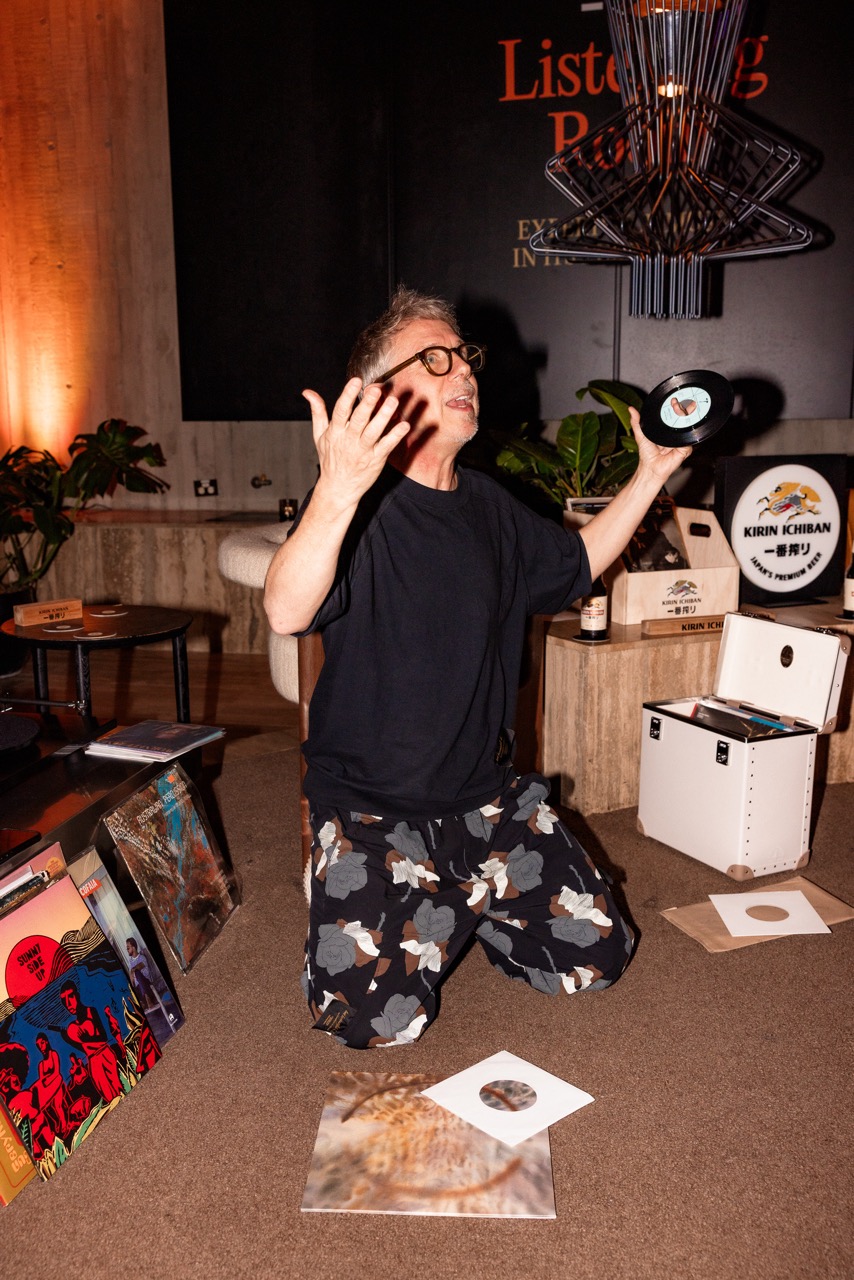
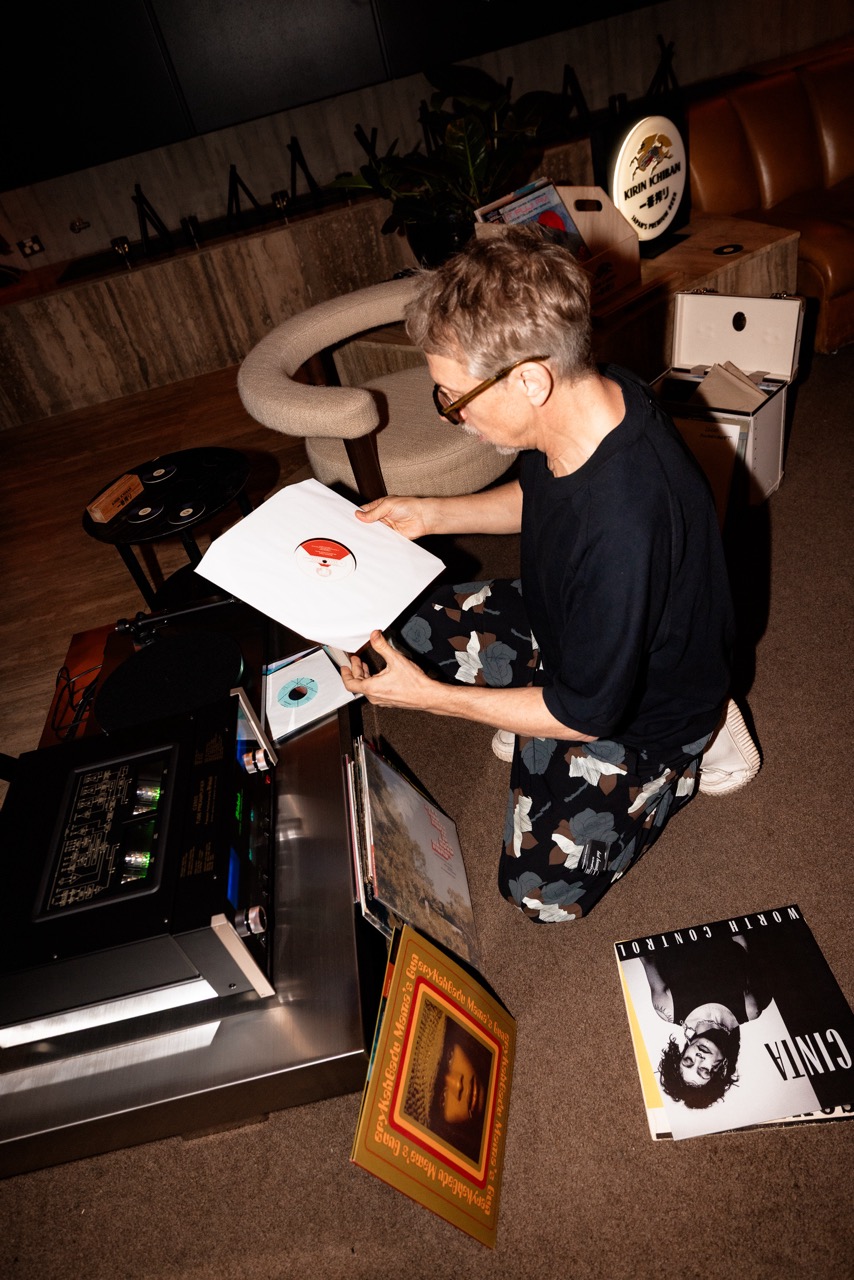
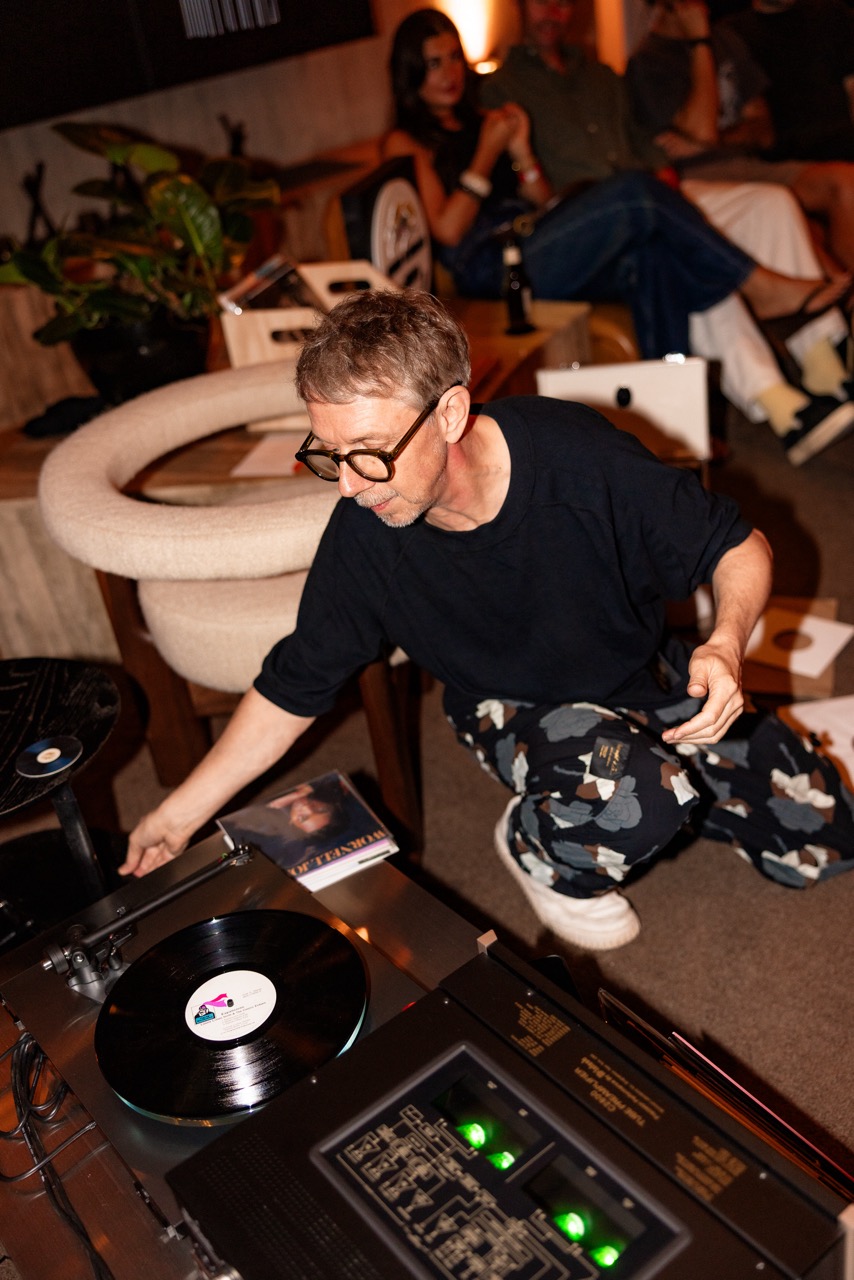
If there was a gun to my head and I had to select a DJ to immerse, educate and challenge listeners (which could totally happen), there would be only one call… Peterson was in town recently for a series of listening sessions presented by Kirin Ichiban, and we were lucky enough to pin him down for a quick chat. Check it out below:
You started your own pirate radio station when you were 16. Is there anything that has that kind of energy now?
In a way, it’s gone full circle because I think that if you listen to a lot of online stations – whether it’s things like The Lot or NTS or even Worldwide FM – these were very much in the spirit of pirate radio stations, except that they weren’t illegal and you didn’t have to put aerials up on high rise buildings.
Worldwide FM, the platform actually comes from the game, GTA5. But basically 10 years ago when they did five, they asked me to have one of the stations that you could listen to. And so for me, that was a mad moment because it almost took my radio-ness into even another space, again, at a time when you’re always looking for a new echo chamber somehow to find a new audience. So for me, it was crazy to be suddenly on a game that was the biggest, most popular game full of people listening to me play Donald Byrd records or James Blake records or whatever it was at the time.
Streaming and playlisting has in some ways democratised music, but it’s difficult to know whether they’re a net-positive for the industry. What are your thoughts?
It’s a lot more complicated now. I think for someone on a personal level, it’s probably really good for me at what’s going on because in a way, with the amount of noise that’s going on, people are just desperate for some consistent curation from a human angle in a way. And I don’t think that the algorithms caught up with the way I approach music and how I listen to music.
I think people want the mistakes. They want the errors. And it’s a bit the same with DJing, I find. I’m sure that at the top end level of the mega festivals, there are no mistakes. It’s a different thing. It’s a different entertainment, but at a more pure level of DJ culture, people want to see you fuck up. They want to feel that they’re not basically listening to a program or to a preset.
Do you have any stories about playing the wrong kind of show, or the classic left-the-records-in-the-cab moments?
I’m the king of that, mate. Because I came up with this term called Acid Jazz, and I came up at the time when that whole movement was happening. And so the thing is, because I said “jazz”, I was getting booked to do these mega raves in Germany and all over the place, and I’d turn up playing literally a combination of Art Ensemble of Chicago records and future acid tracks, crazy Detroit records. And I’d mix them together and people would just not know what the hell was going on. So the amount of rooms that I’ve totally cleared…
I used to play for Carl Cox at Space in Ibiza. It was the end of the Radio One weekend in Ibiza and Carl Cox had his iconic legendary Sunday night there at Space. I’m on the other side of the musical spectrum and he put me in the big room, right? He wouldn’t put me in the little back room for 50 people.
And I remember they said, look, Gilles, we really want you to go on after Carl, but there’s going to be a one-hour gap. So he’s going to do the daytime and then we’re going to restart the party in the main room and it’s going to go live on the radio on Radio One. I said, okay, as long as there’s a gap, I’m happy to do that, but there’s no fucking way I’m going to go on after Carl Cox live on the radio because that’s suicide.
And as I got to the car park of Space, I could hear this fucking 135 BPM gabba techno going. And I was like, “There’s no way I’m going.” And I was on in 15 minutes and I just had a complete meltdown. And I remember, in fact, I just said, “I’m not going.” But I had to go on. There were probably 4,000 people in there, and I literally got bottled by Italians because Carl Cox’s fanbase was really Italian back then, and they’d come over from Naples and the south. All blokes. And so you’d get there and I was the antichrist for them, and they’d obviously taken whatever it was. So when I came on, I literally had stuff thrown at me.
DJ sets obviously move in waves and peaks and troughs. Do you have a formula for a perfect tight one hour?
Never really done it. I’d say I probably have five two-hour sets that build up through the year. So I’ll build it, build it, build it, and then it gets to a good moment. I’m thinking, yes, I’ve got it nailed. Then I’ll try and repeat it and it never works again. And then I’ll just throw it all away and start again almost.
I speak to a lot of DJs and hear a lot of DJs and I’ll be like, “My God, that’s an amazing set. You pulled it off. Everything was perfect, the old into the new, the bits of techno, the way it just transitioned, everything was in key.” And then I find out that that’s their summer set or their season set. It’s a bit like the fashion designer who’s got their summer season and stuff, and they kind of do their set.
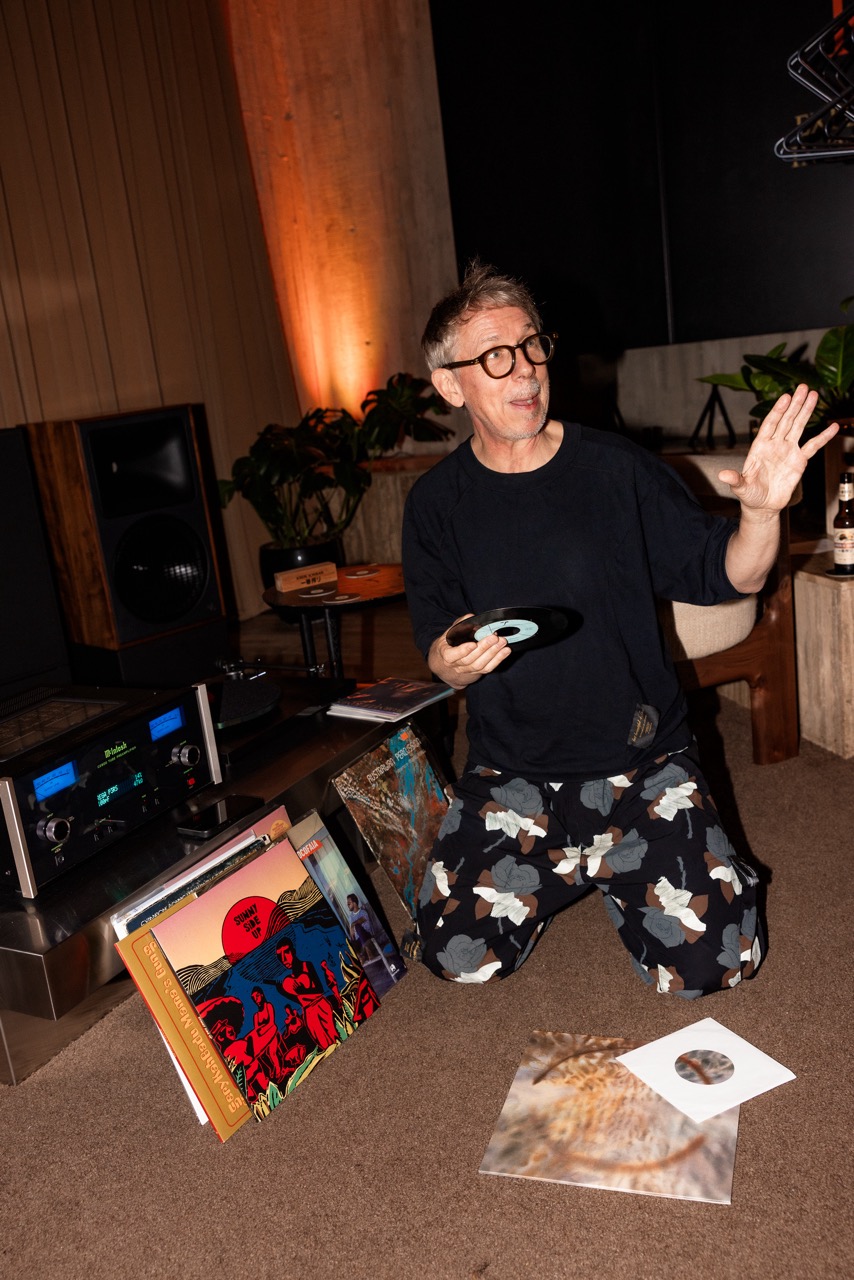
You’re a pioneer of what’s considered underground. Has there ever been the tiniest, slightest part of you, in all honesty, that felt little bit bummed when something that you’ve maybe dug up out of nowhere has become popular?
Not bummed, but what I don’t like is when people don’t realise that I first played it. That’s when I get annoyed. On the radio I was championing a lot of stuff early on — even Lily Allen, believe it or not. I was playing ‘LDN’ and gave her her first session at the BBC. She remembers.
Back then a lot of advertising agencies and people like that were tuning in looking for music. Whether it was Kruder & Dorfmeister or Gotan Project or Zero 7 or Cinematic Orchestra, a lot of those groups kind of came out of my world and later became synonymous with a certain sound.
The same with artists like Bonobo, James Blake and Mount Kimbie. At Radio 1 there was never really anyone representing those gaps.
Even in hip hop, most shows were playing commercial New York stuff. So when artists like Dilla, Madlib, MF DOOM or The Roots came along, they weren’t getting played elsewhere — a lot of that music came through my world.
I actually did the first Kendrick Lamar interview. It was a full hour with freestyles and everything, but he was still unknown so we only aired a five-minute segment. Then my producer had his laptop stolen and we lost the whole interview. So all that exists now is the five-minute clip. That’s painful.